Good to Know
Trenchless vs. Traditional Sewer Line Repair
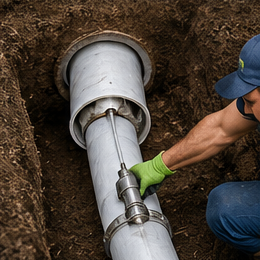
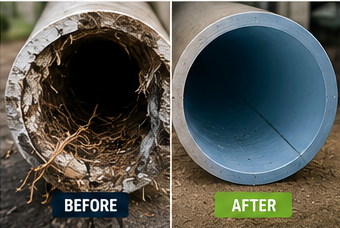
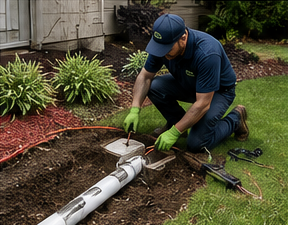
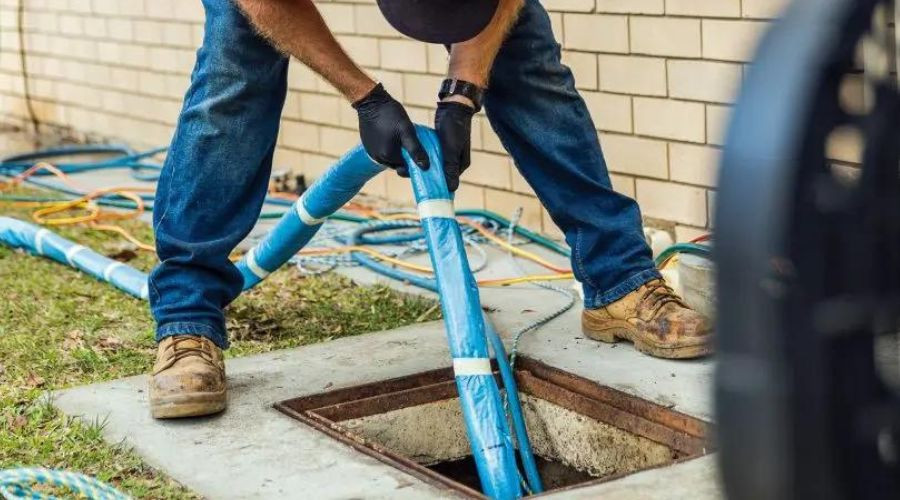
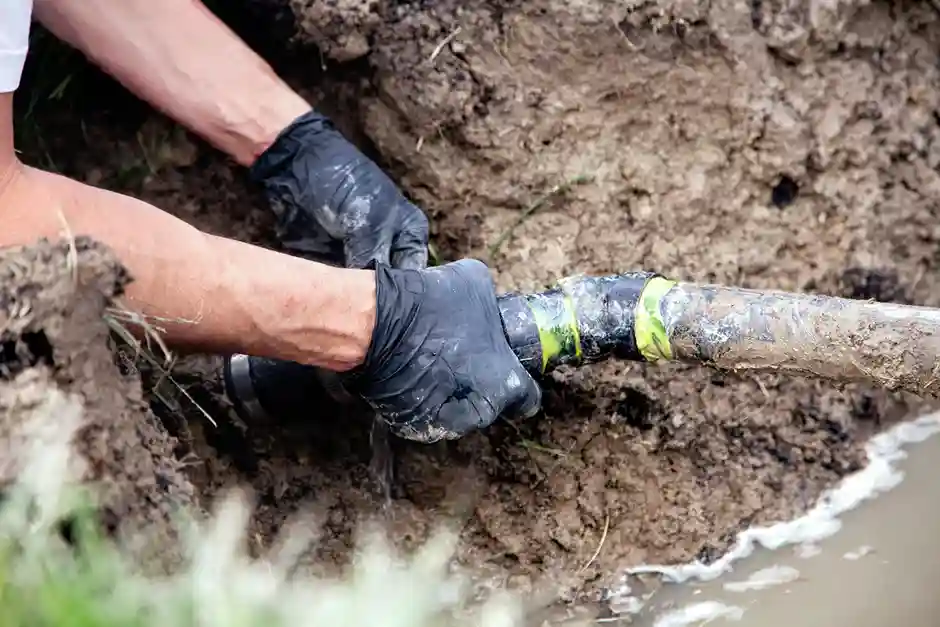
Not every sewer problem needs a backhoe. Traditional repair means excavating down to the pipe, which works but tears up lawns, driveways, and patios. Trenchless sewer line repair fixes the line through small access points instead, usually with one of two methods: pipe relining, where a cured-in-place pipe (CIPP) liner forms a new pipe inside the old one, or pipe bursting, which pulls a new pipe through while breaking apart the damaged one. For many Omaha homes, trenchless means sewer line repair without digging up the whole yard, and often a faster turnaround.
What drives the sewer line repair cost?
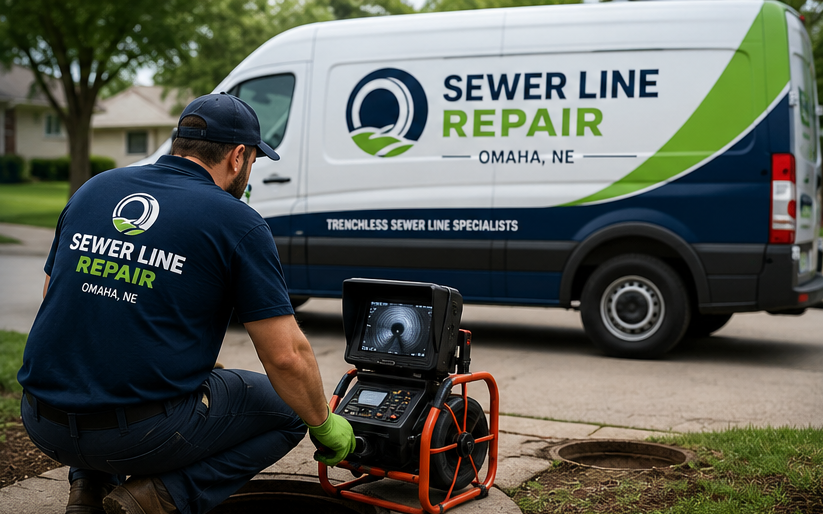
The honest answer is that sewer line repair price depends on the specifics: how deep the line sits, how long the damaged section is, what the pipe is made of, and whether the fix is a simple spot repair or a full sewer line replacement. That's exactly why we start with a sewer camera inspection, a clear sewer scope inspection tells us whether you're dealing with root intrusion, a cracked or broken sewer pipe, a belly in the sewer line, or a fully collapsed line, so the estimate reflects the real job instead of a worst-case guess.
Common signs you need a sewer line contractor
Watch for slow drains throughout the house, gurgling toilets, sewage odor in the yard, repeat clogs that come back after clearing, or patches of unusually green, soggy grass over the line. Any of these can point to root intrusion, a clogged sewer line, or a failing pipe. Catching it early often means a smaller, cheaper repair, including residential sewer line repair handled trenchless, rather than an emergency dig later. If you're seeing the signs, a quick inspection is the cheapest step you can take.